OEM vs Aftermarket Glass: Cutting Costs Without Cutting Safety
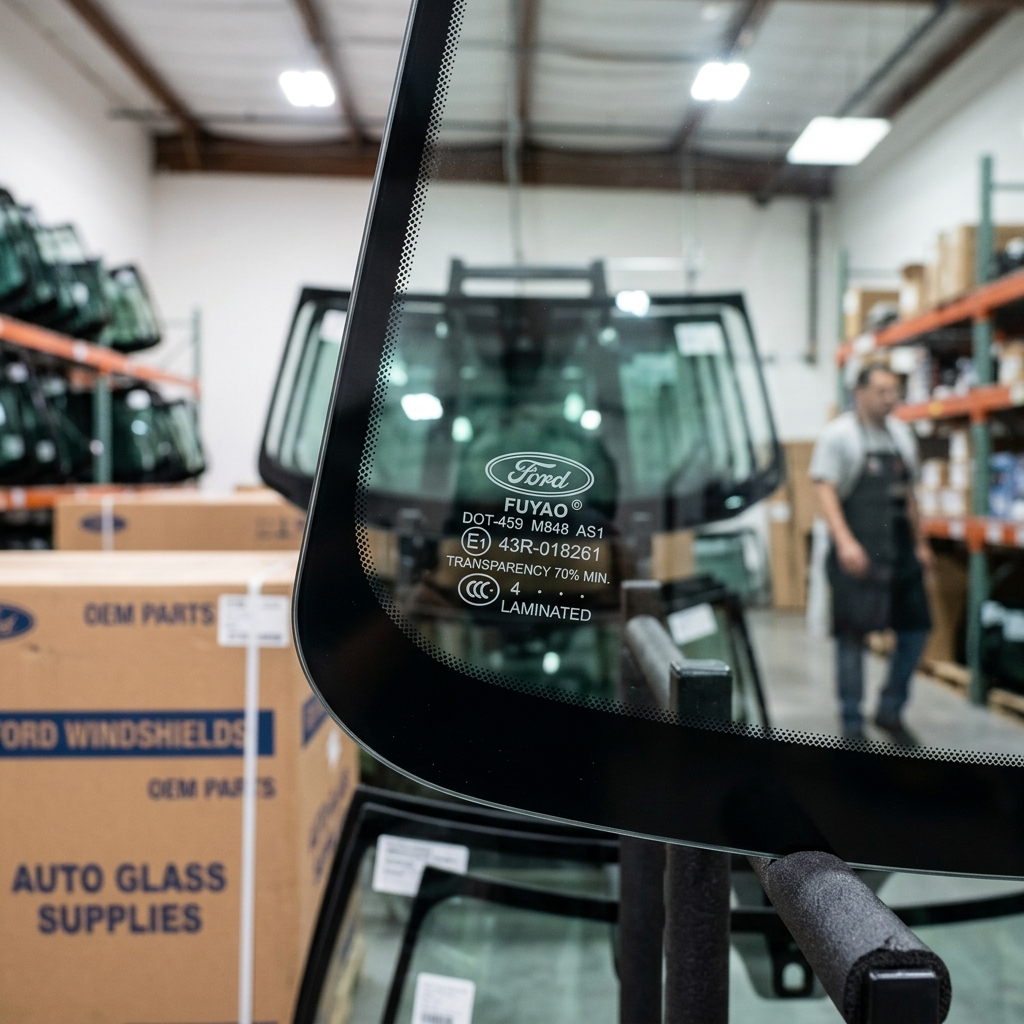
One of the most common questions we get is: "Do I need the glass from my dealer, or is all glass the same?" The answer lies in the difference between OEM (Original Equipment Manufacturer) and OEE (Original Equipment Equivalent) glass.
Defining the Standards
OEM glass is made by the same company that supplied the original glass for your car when it was on the assembly line. It meets the exact specifications for thickness, curvature, and optical clarity. OEE (often called aftermarket) is made by other manufacturers but is designed to meet safety standards.
When OEM is Non-Negotiable
For modern vehicles with advanced safety tech (ADAS), OEM glass is often the only safe choice. The tolerances for the camera brackets and the optical purity of the glass in front of the lens are extremely tight. Even a slight variation in the glass's composition can throw off your lane-departure warnings or emergency braking distance.
The Cost-Value Balance
While OEE glass is often cheaper, it may be thinner or have more optical distortion around the edges. For older vehicles without complex sensors, high-quality OEE glass is a great, safe way to save money. We always provide our clients with the options and help them make the best decision for their specific vehicle and budget.
Need precision glass work?
Request your mobile estimate in under 60 seconds.